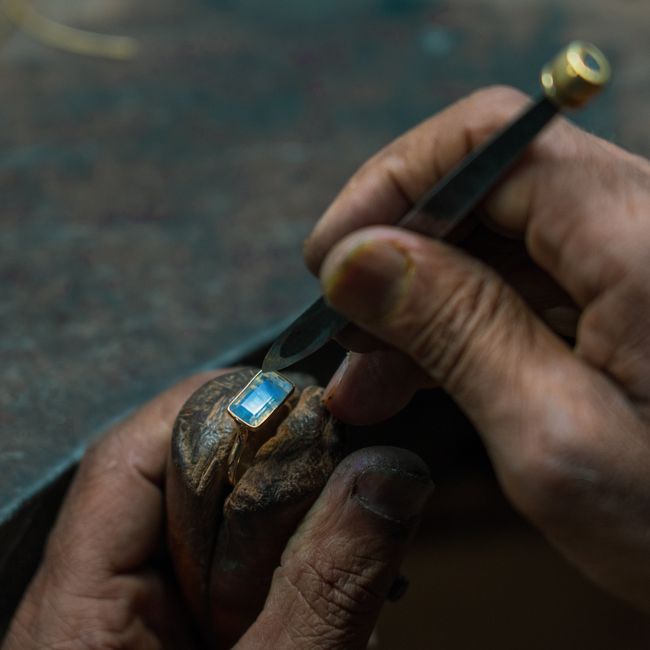
 Discovering the World of Lapidary Equipment
As you begin your journey into the world of lapidary, you’re likely to be fascinated by the process of transforming rough stones into beautiful, polished gems. To achieve this transformation, you’ll need the right lapidary equipment, which can seem overwhelming at first, given the variety of tools and machines available. However, understanding the different types of equipment and their functions is crucial to unlocking your creative potential and producing high-quality results.
You start with rough stones, and your goal is to cut, grind, and polish them into stunning pieces of jewelry or decorative items. The first step in this process is typically cutting the stone using a lapidary saw. These saws come in different types, including trim saws and slab saws, each designed for specific tasks. Trim saws are ideal for cutting smaller stones or making precise cuts, while slab saws are used for cutting larger stones into slabs. When choosing a lapidary saw, consider the type of stones you’ll be working with and the level of precision you need.
Once you’ve cut your stone, the next step is grinding and polishing. This is where lapidary grinders and polishers come into play. Grinders are used to remove rough edges and shape the stone, while polishers are used to achieve a high-luster finish. You can choose from a range of grinders, including diamond-coated grinders, which are highly effective for shaping hard stones. Polishers, on the other hand, use progressively finer abrasives to achieve a mirror-like finish. Some lapidary equipment combines grinding and polishing functions, making it easier to transition between these steps.
As you progress in your lapidary journey, you’ll likely want to explore more advanced techniques, such as cabbing and faceting. Cabbing involves shaping and polishing stones into rounded or oval shapes, often used in pendants or rings. Faceting, on the other hand, involves cutting stones into complex geometric shapes, which requires highly specialized equipment, such as faceting machines. These machines allow you to precision-cut stones with multiple facets, creating dazzling, multi-dimensional gems.
Investing in lapidary equipment requires careful consideration of your needs, budget, and workspace. You’ll need to ensure that your equipment is compatible with your power supply and that you have sufficient space to accommodate your machines and work comfortably. Additionally, safety should always be your top priority when working with lapidary equipment, as these machines can be hazardous if not used properly. Always follow manufacturer guidelines, wear protective gear, and keep your workspace well-ventilated to avoid inhaling dust and debris.
As you become more comfortable with your lapidary equipment, you’ll begin to appreciate the nuances of working with different stones and the techniques required to bring out their unique characteristics. You’ll learn to identify the optimal cutting and polishing methods for various stone types, and your skills will evolve as you experiment with new techniques and equipment. With patience, practice, and the right lapidary equipment, you’ll be able to create stunning, professional-quality gems that showcase your creativity and craftsmanship.
Ultimately, the world of lapidary is a rewarding and creative outlet that allows you to transform raw materials into beautiful, functional pieces. By understanding the different types of lapidary equipment and their applications, you’ll be well on your way to unlocking your full potential as a lapidary artist. Whether you’re a hobbyist or a seasoned professional, the right equipment will help you achieve your goals and enjoy the process of creating something truly unique and beautiful.